
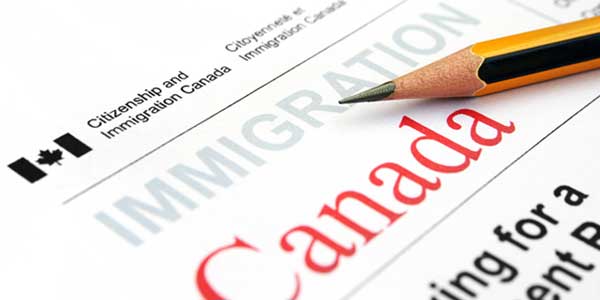
Need Help Entering Canada with a DUI?

Canadian immigration lawyer focused on Canada DUI entry from USA. We offer free comprehensive consultations (unlike most companies who demand a retainer before assessing your options).
Can I Get into Canada with DWAI or DWI from New York?
If you live in New York State, chances are you have either visited Ontario at some point or a trip to Canada will eventually come up. If a person has ever been involved in an incident related to alcohol and driving, however, there is a very real chance they will be denied entry by Canadian border agents. Drunk driving is a serious crime north of the border that can result in up to ten years in prison. Consequently, if their border agents detect a past DWI they can view it like a felony.
Even a DWAI is considered serious criminality by Canada despite only being a civil traffic violation in NYS. This means that a single DWI or DWAI from New York State can render a person inadmissible to Canada for life. Thanks to information sharing with the FBI and NY DMV, the Canada Border Services Agency (CBSA) can instantly detect a DWAI or DWI as soon as a traveler hands over their US passport or Enhanced Driver's License (EDL). Even if you will not be driving while in the country, if CBSA authorities determine you are inadmissible they can deny admittance. Likewise, even if you will not be there for long, perhaps just driving through Ontario to get to Michigan or viewing Niagara Falls from the Canadian side, a DWI history can still be problematic at the border.
If an American has a past DWI or DWAI in New York State and wants the ability to enter Canada, it is possible to apply for special permission to cross the border. A Temporary Resident Permit (TRP) is the fastest option, but is only a short-term entry waiver and requires a good reason for needing access such as job-related travel. A TRP can be issued for up to three years. Canadian Rehabilitation (CR) is a permanent pardon that can cover a person for an unlimited number of trips, but takes longer to attain and is only available to people who finished all court requirements at least five years ago. Some Americans apply for a TRP & CR together with the goal of getting access asap while also fixing things long-term.
Have a DWI or DWAI and want the freedom to enter Canada? Phone our team today for a FREE consultation!
New York DWI Laws
In New York State, driving while intoxicated (DWI) is covered by Vehicle and Traffic Law § 1192. Section 1192(2) applies when a driver's blood alcohol concentration is 0.08% or higher. Section 1192(3) also allows a DWI charge when the driver is intoxicated, even without a chemical test showing a particular BAC. For example: driving while impaired by drugs is also illegal in NYS. A first DWI with no priors is generally a misdemeanor under § 1193(1)(b). It can result in a fine of $500 to $1000, up to one year in jail, and a license revocation of six months or longer.
A prior DWI or qualifying drug impaired driving conviction can make the penalties much more serious. Under Vehicle and Traffic Law § 1193(1)(c), a second qualifying offense in NY within ten years can be a class E felony, carrying a fine as large as $5000 and up to four years in prison. The offender's driving privileges are often revoked for a minimum of one year. A third qualifying offense within ten years can be a class D felony, with a fine of up to $10,000 and as much as seven years in prison.
New York DWAI Laws
Driving while ability impaired by alcohol (DWAI) is covered by Vehicle and Traffic Law § 1192(1). It applies when alcohol has affected a person's ability to drive, even if the evidence does not establish DWI. A first alcohol DWAI in NYS is typically a non-criminal traffic infraction. Under § 1193(1)(a), the possible penalties are a $300 to $500 fine, up to 15 days in jail, plus a 90-day license suspension. In addition to the three-month driving suspension, there is often a 1-year conditional discharge period that is automatically included in NY DWAI infractions. A qualifying repeat driving while ability impaired violation within five years can bring a $500 to $750 fine, up to 30 days in jail, and a license revocation of at least six months.
An NY DWAI can also involve drugs. Vehicle and Traffic Law § 1192(4) covers impairment by a drug, while § 1192(4a) covers impairment by a combination of drugs or alcohol plus drugs. A first offense under either provision is usually a misdemeanor rather than a civil traffic infraction. It can result in a fine as large as $1000 and up to one year incarceration. A drug DWAI or combo DWAI (drugs + alcohol) carries a license suspension of at least six months. Qualifying repeat offenses can be felonies under § 1193(1)(c).
Aggravated DWI
The State of New York also has an aggravated DWI under Vehicle and Traffic Law § 1192(2a). This includes driving with a blood alcohol level of 0.18%+ (more than double the legal limit). A first offense driving while intoxicated at that BAC can bring a fine as big as $2500, up to one year in jail, and a license revocation of one year or greater. Driving while intoxicated with a child aged 15 or younger in the vehicle can be charged as a felony. An aggravated DWI conviction in NYS frequently requires an ignition interlock device under § 1193(1)(b)(ii).
Underage DWI
For drivers under 21, New York's "zero tolerance" ticket, often referred to as a 'baby DWI', is found in Vehicle and Traffic Law § 1192a. It applies when a driver has a blood alcohol concentration from 0.02% through 0.07%. A first underage DWI finding generally means a six-month license suspension, a $125 civil penalty, and a $100 fee to end the suspension. A second under 21 DWI citation in NY State can result in a license revocation lasting one year or until the driver turns 21, whichever is longer. While a low-level "zero tolerance" or "not a drop" DWI is not a criminal conviction, it is usually visible to the Canadian border. This being said, an experienced Canada immigration attorney might be able to prepare a Legal Opinion Letter arguing the underage DWI should not equate to an excludable crime north of the border assuming the incident did not support a finding of an adult DWI / DWAI.
Interested in visiting Canada but have a New York DWI or DWAI in your past? Our Canadian immigration law firm offers no-fee consultations!
How Can We Help?
If you have a DUI arrest or conviction on your record and need to enter Canada, call us now or fill out this form! 24 Hour Response Time!